
Can Smart Glasses Replace Smartphones in the Future? A Look at Even Realities
What if the next big shift in how we use technology does not come from another smartphone, but from something we already wear every day? Smart glasses are bringing a new dimension to eyewear, blending vision and digital convenience. But can they really change our relationship with smartphones?
There is something interesting about our relationship with smartphones. We carry them everywhere, check them between conversations and reach for them even when there is no particular reason to. Somewhere along the way, looking at a screen became second nature. But what if accessing information no longer required holding anything? What if the device you needed was already resting on your face? It sounds like a distant possibility, yet smart glasses are beginning to bring this idea into daily life. At King Opticals, we believe it is worth looking at how these developments could shape the future of eyewear and change the way we interact with technology.
When ordinary glasses start doing extraordinary things
For years, glasses have helped us see better and sunglasses have protected our eyes from sunlight. Now, technology is giving eyewear another purpose. Smart glasses can bring notifications, navigation instructions, translations and AI-powered assistance into the wearer’s field of vision.
Now imagine walking through a foreign city without having to look at your smartphone again and again to get the direction right. Now think of getting an appointment alert without being distracted from your ongoing talk to check your phone screen. How would these small things make life easier? The fascinating thing is that glasses are now not merely an adornment to view the world with. They are starting to become our tools to interact with the world. But who is making all this happen?
A closer look at what Even Realities is doing
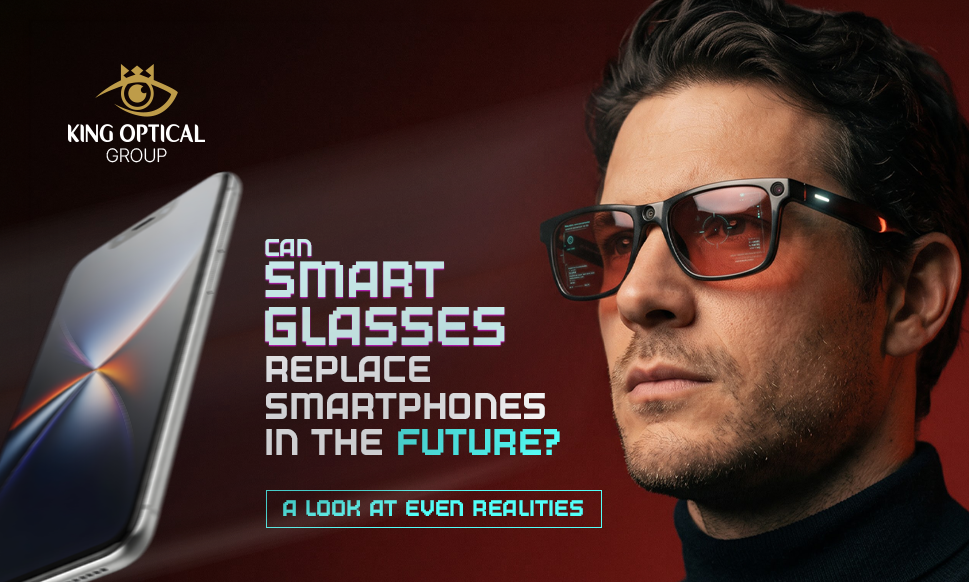
One brand exploring this direction is Even Realities. Its Even G2 smart glasses combine familiar eyewear design with a discreet heads-up display, microphones and smartphone connectivity. Instead of making technology the most noticeable part of the glasses, the brand keeps the design relatively subtle.
Notifications, navigation support, translations, calendar information, and AI capabilities are available via the screen. Another method of interacting with the glasses is using the optional R1 smart ring. Notably, the G2 has no camera or speakers and rather relies on the screen for presenting information.
This approach raises an interesting possibility: perhaps the future of wearable technology does not have to look futuristic at all. But if glasses can already handle so many daily interactions, what happens to the smartphone?
Is the smartphone really ready to step aside?
Not quite. Smart glasses may make certain tasks easier, but smartphones still do things that eyewear cannot easily replicate. Their larger displays, powerful applications and processing capabilities remain important for video streaming, gaming, document editing, online shopping and more complex digital activities.
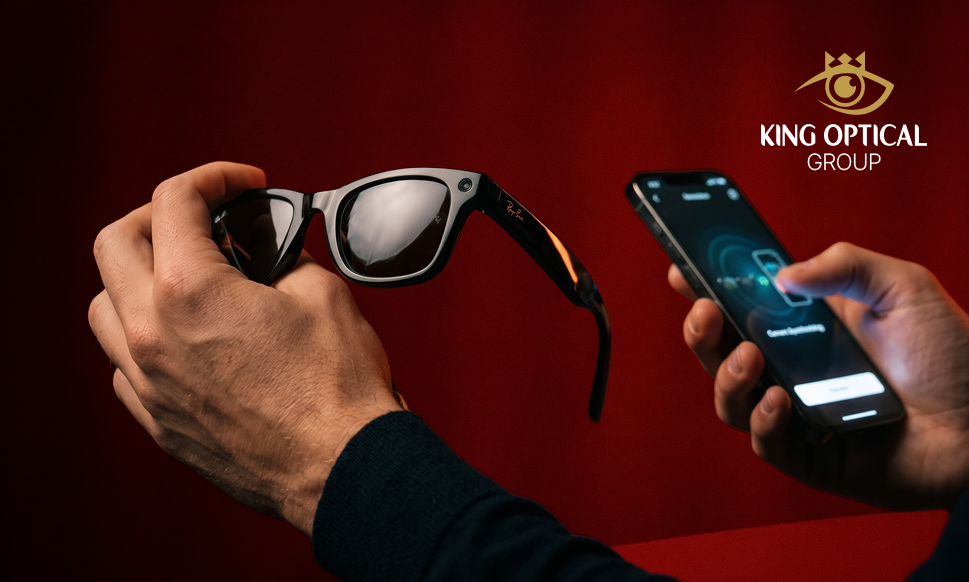
Smart glasses will also need smartphones for connectivity and certain capabilities. Battery power, display, comfort and software development are all aspects that may play a role in the adoption of smart glasses. Rather than getting rid of the smartphone entirely, perhaps the inclusion of smart glasses will function alongside the smartphone to achieve this effect. You can look at the smart glasses for directions or notification information and if more space is needed, you could turn to your smartphone. Maybe the whole idea of change is not giving up a technology but using it less.
Perhaps we are looking at eyewear differently now
The evolution of glasses is opening up possibilities that go beyond frame shapes, lens designs and sun protection. Smart eyewear brings together personal style, visual comfort and digital convenience in a way that could influence what people expect from their everyday glasses.
Smart glasses give us an idea of what lies ahead, although the technology needs to be refined before it can step into the shoes of the smartphone. At this stage, each gadget serves its own purpose. However, as technology becomes part of more familiar items, the way we view our everyday accessories might change too.
And perhaps, in the future, choosing a pair of glasses will involve a question we rarely ask today: what if they could do more than help us see?